Israel Election
Will the result be accepted?
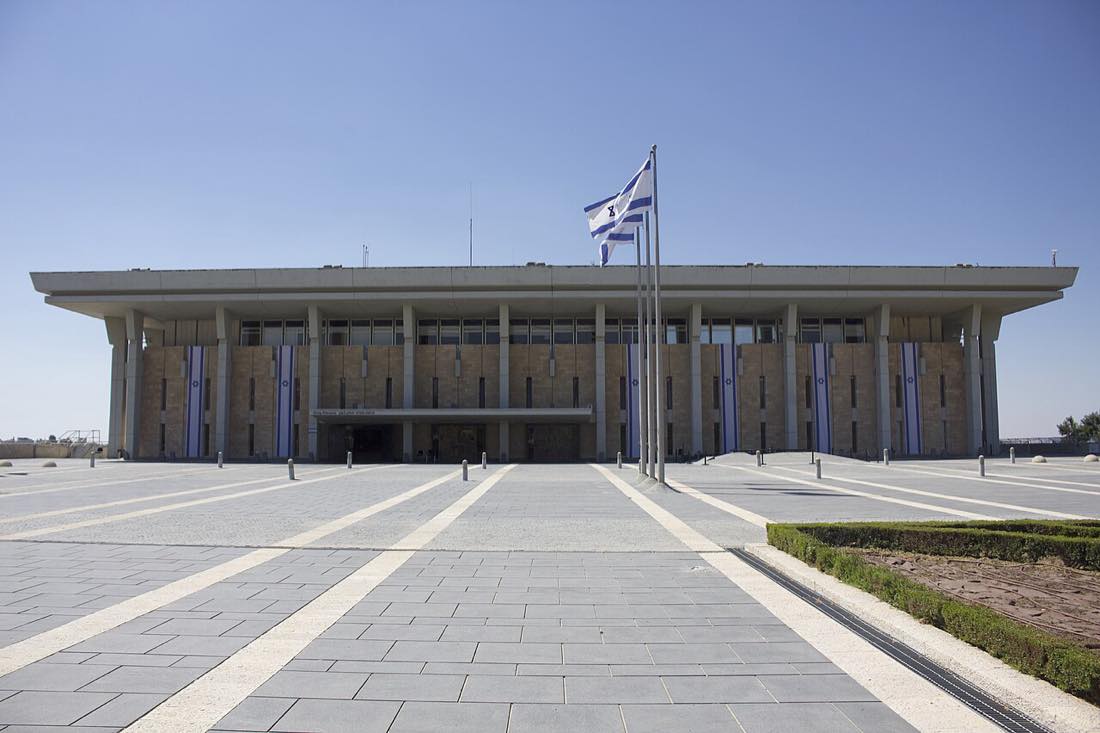

Israelis voted on Oct. 27 in the highest numbers since 1999, and exit polls show no bloc with the 61 seats needed to govern. Before polls closed, Prime Minister Benjamin Netanyahu was already claiming, without evidence, that Arab voters and the left were trying to steal the vote, and Likud operatives reportedly discussed a “stolen and rigged” campaign if he loses. This page tracks the count, coalition-building and any fight over the result’s legitimacy, with only sourced developments.
With 85% of the vote counted, Netanyahu’s bloc leads with at least 53 seats to 48 for the opposition, with Arab parties on course for a record 19 and neither bloc at the 61 needed to govern. On October 28 Likud, in a statement Netanyahu posted, said the election was “stolen” by Arab parties and said it had given police, the Shin Bet and the Central Elections Committee “hundreds of testimonies.” The committee says it is reviewing the request under its routine integrity process. Police say neither investigative findings nor intelligence support the allegations, and fraud complaints fell about 40% from the previous election.
What would change this rating ↓
israelelection.america2.newsGet America 2.0 in your inbox
Analysis of Russian influence, information warfare and the networks behind them. Free; unsubscribe anytime.
Latest reports
New reporting from major outlets and official sources, listed as it appears. Our monitoring adds headlines from major outlets automatically. "Checked" means our software fetched the full report and confirmed it supports its headline. "Reviewed" means an editor checked it against its source. "Auto" items have not been checked yet. Tap a label for our note. None of this is an endorsement. Our assessment is the rating above.
- Netanyahu claims stolen election amid failure to secure victory (Politico)
auto ▾
Not checked yet. Listed automatically because it comes from a major outlet or official source. - Historic gains for Arab-majority parties in Israeli election (France 24)
auto ▾
Not checked yet. Listed automatically because it comes from a major outlet or official source. - Police Say No Evidence Supports Likud’s Election Theft Allegations (i24NEWS)
reviewed ▾
Our note: Police: no investigative or intelligence evidence; 48 fraud/impersonation complaints vs nearly 80 in the previous election.An editor checked this report against its source. (2026-10-28) - Likud claims election ‘stolen’ by Arab parties following their record performance (The Times of Israel)
reviewed ▾
Our note: Likud statement in English; the Central Elections Committee says it received Likud’s request and is reviewing it under its routine integrity process.An editor checked this report against its source. (2026-10-28) - Benjamin Netanyahu ahead but no clear winner in Israeli election (Financial Times)
reviewed ▾
Our note: At 86% counted: Netanyahu bloc 53, Jewish opposition 48, Arab parties 19. Likud accused Arab parties of “stealing” the election, without evidence. Final tally could take until Friday.An editor checked this report against its source. (2026-10-28) - Balad leader blasts ‘racist’ exclusion of Arab parties in Israel (Al Jazeera)
reviewed ▾
An editor checked this report against its source. (2026-10-28) - Netanyahu shares AI image of Arab voters during Israeli election (BBC)
auto ▾
Not checked yet. Listed automatically because it comes from a major outlet or official source. - Israel faces weeks of political wrangling after deadlocked election (Axios)
reviewed ▾
Our note: Trump to Axios: “I heard my endorsement made a big difference for Bibi.” Herzog consults parties next week; new election as early as April if no majority.An editor checked this report against its source. (2026-10-28) - Israel president urges against new vote despite inconclusive result (AFP.com)
reviewed ▾
An editor checked this report against its source. (2026-10-28) - Netanyahu pulls ahead in Israel election (The Telegraph)
reviewed ▾
Our note: Live blog. Israeli TV says all votes but about 600,000 absentee ballots are counted.An editor checked this report against its source. (2026-10-28)
What would change this assessment
The rating moves on official acts and on-the-record statements: Central Elections Committee results, court filings, the president’s decisions, party leaders’ own words. Exit polls and anonymous briefings don’t move it on their own.
- partly seenWould move up: Netanyahu or a Likud minister, on the record, refuses to accept the certified count or calls it fraudulent.
- partly seenWould move up: a formal petition to the Central Elections Committee or the High Court to void Arab-sector ballots or disqualify an Arab party’s seats.
- not seenWould move up: the caretaker government uses emergency powers, or restarts the war with Iran, in a way that delays the mandate or the new Knesset’s swearing-in.
- not seenWould move up: mass protests or violence tied to the result.
- not seenWould move up: a foreign government (including the United States) rejects or conditions the result, or Israeli authorities attribute an influence operation targeting the count.
- not seenWould move down: official final results go unchallenged, the losing side concedes, or a coalition is signed within the normal window.
What is actually known
- Likud filed fraud claims against Arab polling stations. On October 28 Likud, in a statement Netanyahu posted on X, said the election was “stolen” by “Arab parties that support terror” through bribery, threats, violence, forgery and “the use of illegal software to mobilize voters,” and said it had given police, the Shin Bet and the Central Elections Committee “hundreds of testimonies” (Netanyahu on X; translation: Times of Israel). The committee said it received the request and is reviewing it under the integrity process it runs in every election, which it opened to all lists on October 25 (Times of Israel). Police said neither investigative findings nor intelligence support the allegations; they had received 48 fraud and impersonation complaints, about 40% fewer than in the previous election (i24NEWS).
- No majority in the partial count. With 85% of the vote counted, the Central Elections Committee count has Netanyahu’s bloc at 53 seats or more and the opposition bloc around Eisenkot at 48; Arab parties are on course for a record 19, up from 10 in the outgoing Knesset (Al Jazeera, AFP). Earlier television projections had 54–49–17 (Telegraph, citing Israel’s Channel 12 and Channel 13). Likud leads with about 27 seats to Yashar’s 22. A government needs 61 of 120 (FT). These are partial results. A record of about 650,000 special ballots, such as soldiers’ votes, are counted last and are worth about 14 seats (DW, citing Israel Hayom), and parties near the 3.25% threshold can swing the totals (Ynetnews). Overnight exit polls had shown a tie or a narrow Netanyahu lead (Haaretz). President Isaac Herzog, who decides which candidate gets the first chance to form a government, said “we must do everything we can… to avoid another round of elections” (AFP).
- Highest turnout since 1999. 77.7% (5,695,682 voters) had voted by the 10 p.m. close, the highest at that hour since 1999, per the Central Elections Committee (BBC). At 8 p.m. it was 74.3%, eight points above the same hour in 2022 (Ynetnews).
- Arab parties surge. Ra’am and the Joint List are projected at 18–19 seats combined, up from 10. Both blocs’ leaders have ruled out Arab parties in a government, which leaves neither side an obvious path to 61 (Jerusalem Post).
- The fraud narrative came before the count. On election day Netanyahu and other Likud figures said, without evidence, that the election was being stolen (Times of Israel). Haaretz and Channel 12, citing Likud sources, reported discussions of a “the elections were stolen and rigged” campaign if he loses, aimed at Arab-sector polling stations. The committee’s director general, Dean Livne, said there is no evidence of widespread fraud and the safeguards are sufficient (Times of Israel). On Wednesday, with most votes counted, Likud accused Arab parties of “stealing” the election, again without providing evidence (FT).
- Netanyahu framed his majority as Jewish. He said the right has “a clear, decisive majority among the Zionist public” and that it is unthinkable “to set up a government that relies upon anti-Zionist Arab parties,” adding that “we are still waiting for the true results” (Times of Israel). Foreign Minister Gideon Sa’ar hailed a “clear Jewish majority” (Haaretz).
- A Likud minister warned against an Arab-backed government. Culture and Sports Minister Miki Zohar said any leader who tries to form a coalition with the help of Palestinian-Israeli parties will “end their political careers” (Al Jazeera). Eisenkot declared victory in a statement, saying the preliminary results should give him the first chance to form a government (Jerusalem Post).
- Police arrested Ra’am activists at their homes hours before polls opened. Ra’am called the arrests baseless and an effort to suppress Arab turnout through National Security Minister Itamar Ben-Gvir’s control of the police (Jerusalem Post).
- Trump endorsed Netanyahu twice, on Oct. 18 and Oct. 25: “Vote for Bibi Netanyahu for Prime Minister, we have to finish the job that we started!” Netanyahu suggested the two could restart the war on Iran if he wins (Reuters). On October 28 Trump told Axios, “I heard my endorsement made a big difference for Bibi,” and said he had not thought about trying to broker a unity government (Axios).
- Foreign interference warnings. Shin Bet chief David Zini warned of interference by Russia, China and Iran (Jerusalem Post). FakeReporter, an Israeli group that tracks fake accounts, says Iranian networks are behind most of the influence campaigns it has seen in Israel, some from Russia (Al-Monitor).
Claims in circulation
The most-shared claims, and what public sources can confirm.
DisputedNetanyahu’s bloc is on 60 seats.
Channel 14 exit poll; other broadcasters show 50 (NBC News)
UnconfirmedEisenkot has won the election.
Eisenkot’s election-night statement declaring victory (Jerusalem Post)
No evidenceArab voters and the left are stealing the election.
Netanyahu and Likud figures, election day (Times of Israel)
No evidenceVoters in face coverings at Arab-sector polling stations enable fraud.
Anonymous Likud source to Haaretz (Times of Israel)
What to watch next
- Key dates. The Central Elections Committee expects to publish final results on Thursday, Oct. 29, at noon Israel time; the legal deadline is Wednesday, Nov. 4 (Ynetnews). President Isaac Herzog then consults the parties and names a nominee, who gets 28 days to form a government, extendable by 14 (Times of Israel). If that fails, a second nominee gets 28 days with no extension, and early elections follow if no one succeeds (Israel Democracy Institute). President Herzog begins consulting the parties next week; if no one can form a majority, a new election could come as early as April (Axios). We plan to close this tracker once the results are certified and the president has named a nominee, if no party has formally challenged the count.
- The roughly 650,000 special ballots, counted last and worth about 14 seats (DW), and which parties clear the 3.25% threshold.
- Whether Netanyahu or Likud ministers, on the record, accept or dispute the official results.
- Nov. 10. The new Knesset must hold its first session. The opposition is expected to move to replace Speaker Amir Ohana (Likud), who has suggested he may not abide by Supreme Court rulings; in 2020 a Likud speaker initially refused to vacate the post. Opposition officials and civil-society activists say they worry Netanyahu and his supporters could refuse to recognise the results if he cannot form a government (FT).
- Any petitions to the Central Elections Committee or the High Court over Arab-sector ballots.
- President Isaac Herzog’s consultations and who gets the first mandate to form a government.
- Statements from Washington, and any resumption of the Iran war while a caretaker government is in power.
Timeline
- Oct. 18Trump endorses Netanyahu (Reuters).
- Oct. 25Trump endorses him again: “we have to finish the job that we started!” (Reuters).
- Oct. 27Morning: Haaretz and Channel 12 report Likud discussed a “stolen” campaign if Netanyahu loses (Times of Israel). Police arrest Ra’am activists before polls open (Jerusalem Post).
- Oct. 27Afternoon: Eisenkot’s Yashar party accuses Netanyahu of laying the groundwork to challenge the results (Times of Israel).
- Oct. 2710 p.m.: polls close on the highest turnout since 1999; exit polls show no bloc at 61 (NBC News).
- Oct. 27Night: Eisenkot declares victory (Jerusalem Post); Likud minister Miki Zohar says a leader who relies on Palestinian-Israeli parties will “end their political careers” (Al Jazeera). Updated exit polls swing toward Netanyahu; he claims a majority “among the Zionist public” (Times of Israel).
- Oct. 28Morning: with 57.3% of votes counted, Netanyahu’s bloc leads 55 seats to 49, short of 61 (DW).
- Oct. 28Afternoon: Likud says the election was “stolen” by Arab parties and submits complaints to police, the Shin Bet and the election committee, which says it is reviewing them; police say no evidence supports the claims (Times of Israel, i24NEWS).
Key sources
- NBC News live blog, Oct. 27
- Times of Israel: Likud said already preparing to allege election was ‘stolen’
- Jerusalem Post: Arab parties projected at 17–19 seats
- Ynetnews: what happens after polls close
- Reuters: Netanyahu touts Trump endorsement